Human cells in vitro
The cells' condition and their time in culture
Even before comparing a cellular response, there are starting conditions and exposure periods to account for.
Initially telomerase-negative cells
The earlier Epithalon experiment began with telomerase-negative human fetal fibroblast cultures. Addition of the peptide induced expression of hTERT, the catalytic component of telomerase, alongside telomerase activity and telomere elongation. Fibroblasts are connective-tissue cells; these were cultured fetal cells.
The initially negative condition gives the response its particular interest. Something absent from the starting description became detectable following exposure. The unusually specific starting condition gives this finding its interest; a different age or tissue would bring a different starting condition.
This is also a different starting point from an elderly person entering a study. The human follow-up asks about mortality observations, with a different preparation. The cultured-cell experiment describes a cellular response.
Exposure periods in the later experiment
In the later human-cell study, cancer cells were exposed for 4 days and normal cells for 3 weeks. Telomere extension in normal cells involved hTERT and telomerase; extension in the breast-cancer cell lines occurred largely through Alternative Lengthening of Telomeres, or ALT, another route to lengthening.
The unequal periods sharpen a question for me. Comparing how quickly the populations respond would require measurements designed for that comparison. A difference between exposure periods cannot itself become a conclusion about relative speed.
There is plenty to investigate in the observed mechanisms already. The breast-cancer cell finding also complicates any blanket enthusiasm for longer telomeres: the identity of the cell receiving that extension matters. This experiment establishes a response in cell lines, leaving the consequences of exposure in a whole person unresolved.
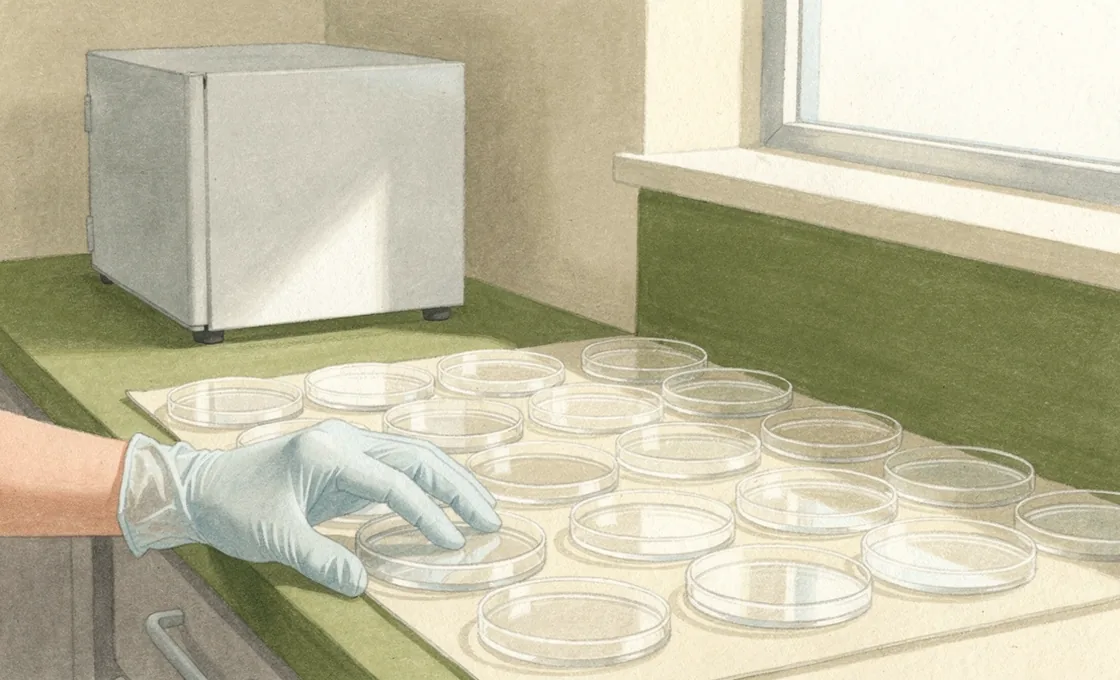
Comparable culture periods
Comparable observation times and an explicit account of the cells' starting condition top my requests for a follow-up. That would help separate a timing question from a difference between the cell populations.
The review of Epitalon's proposed mechanisms also notes limited physical, chemical and structural characterisation. A persuasive molecular account still needs that basic work. I regard the timing questions as an addition to the work ahead, alongside the need to understand the preparation and the measured response.